
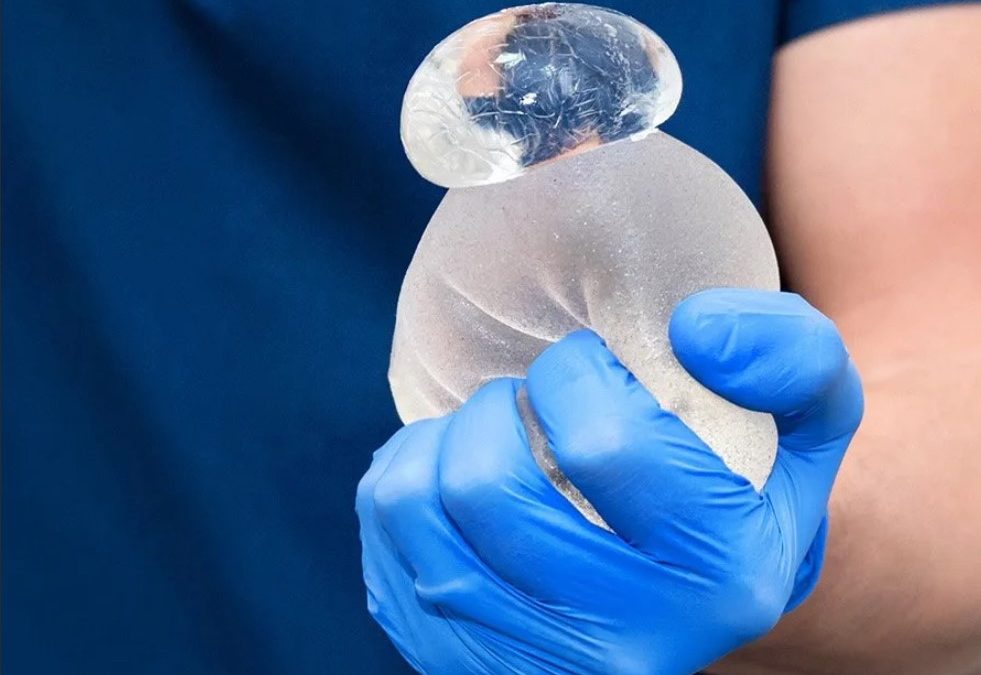
Ruptured breast implant
Introduction
Rupture is a tear or hole in the outer shell of the breast implant. It is one of the risks of breast augmentation.
A ruptured silicone implant, may not cause noticeable changes in the breast’s appearance, as it doesn’t deflate like a saline implant. In many cases, ruptures in silicone implants can only be detected through breast MRI or ultrasound.
Causes of ruptured breats implants
Some possible causes of rupture of breast implants include:
- Capsular contracture
- Chest trauma
- Shell weakening
- Damage during procedures to the breast, such as biopsies and fluid drainage
- Natural aging of the implant
- Physical stresses such as trauma or intense physical pressure
- Too much handling during surgery
Common signs and symptoms of ruptured breast implants
Often there are no symptoms when an implant ruptures. When a saline implant ruptures or its valve fails, the saline leaks out quickly — typically taking a few days — and the breast appears somewhat deflated, so you know immediately that it’s ruptured. The saltwater is absorbed by the body. When a silicone implant ruptures, the gel leaks out slowly because it’s thick. Silicone gel is not absorbed into the body. The most common symptoms of ruptured breast implant include:
- Lumpiness or hardening
- Change in breast shape or size
- Pain, tenderness, or burning sensation
- Swlling
- Numbness
- Asymmetry between breasts
- Silent rupture (especially with silicone implants)
How is the implant rupture diagnosed?
It’s helpful to know the symptoms of a ruptured implant, but the best way to detect a rupture is through an MRI scan.
The FDA suggests that patients with silicone implants undergo an MRI scan as early as three years after surgery, and every two years after that. Through the early detection of ruptures, implants can be more easily replaced and silicone removed.
Treatment and management of ruptured implants
When extracapsular rupture occurs, the silicone will either seep into the breast tissue or overlying/underlying muscle. Eventually, a few things may occur: they can become walled off by scar tissue (your body’s reaction to foreign material) to form ‘silicomas’; the implant may become very hard as capsular contracture develops in an attempt to prevent further leakage; they can also infiltrate through the muscle/breast tissue and in some, work their way into the skin and break through as an open sore which leaks sticky silicone gel.
Technically, an implant with intracapsular rupture (silicone contained within the breast capsule) is much easier to remove and there is a greater chance of removing the majority (if not all) of the silicone. Removing an implant with extracapsular rupture can be tricky and most of the time, not all silicone material will be removed, especially those that have widely infiltrated into the chest wall or breast tissue. If the rupture is extracapsular, then it is possible that the patient will need several surgeries to retrieve all the extravasated silicone gel, with a delayed replacement of the implant to restore normal breast contour.
Breast revision is performed to remove the ruptured implant and, if necessary, any troublesome scar tissue or loose silicone in the breast pocket. A replacement implant can be added at that time and a breats lift can be performed if there is any sagging.
When to see a specialist?
If you have undergone breast augmentation and believe your implants may need replacement, removal or revision, contact your plastic surgeon immediately.
Recent Comments