
Safety of Breast Augmentation – Risks, Complications & How to Minimise
Breast augmentation is one of the most commonly performed cosmetic procedures worldwide. For most patients, it is safe and predictable, but like any surgery, it carries potential risks.
Understanding these risks — and how they are minimised — is key to making an informed decision.
Is breast augmentation safe?
In appropriately selected patients, breast augmentation is considered a safe procedure with high satisfaction rates. It is important to understand; safety depends on several factors:
- The patient’s overall health
- The experience of the surgeon
- Surgical technique
- Appropriate aftercare and follow-up
What are the most common early risks of breast augmentation surgery?
These are risks that can occur in the early recovery period:
- Bleeding (haematoma)-a collection of blood around the implant that may require surgical treatment
- Infection-uncommon, but may require antibiotics or, rarely, implant removal
- Swelling and bruising-expected in the early stages and usually settles within a few weeks.
- Pain or discomfort-typically described as tightness or pressure and improves over the first week.
What are the most common late risks of breast augmentation surgery?
Implant Rupture
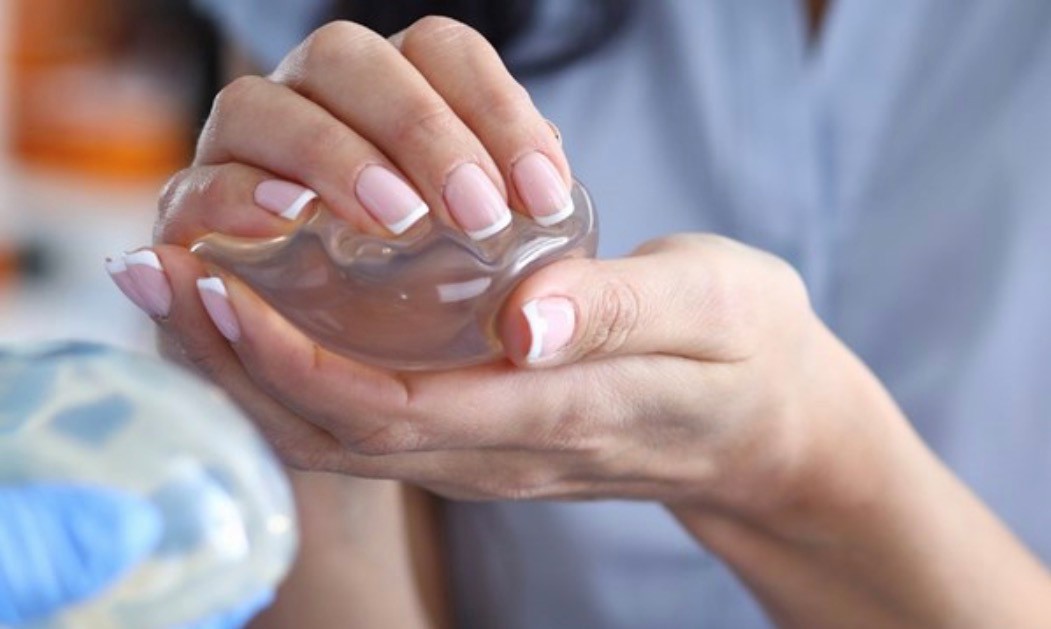
Breast implants are not lifetime devices. Over time, implants may rupture or leak, which may require replacement. Modern implants are designed to be durable and cohesive, reducing complications if rupture occurs.
Changes in Sensation
Temporary changes in nipple areola complex or breast sensation are relatively common. Permanent changes are less common but can occur.
Implant malposition
In some cases, implants may shift position over time, affecting symmetry or shape.
Capsular Contracture
The body naturally forms a capsule around the breast implant. In some cases, this capsule can tighten, causing:
- Firmness
- Distortion
- Discomfort
This may require further treatment in some patients.
Asymmetry
Everyone has a degree of breast asymmetry. If this is mild, no special steps are taken to address this, and the differences that were present prior to your surgery will remain after your surgery. Sometimes, despite putting the same size implants in both sides and performing the same surgery on both sides, there can be a noticeable difference between your breasts. This may be due to a previously undetectable chest wall abnormality, increased swelling on one side, the implant changing position, the result of some blood or wound fluid collecting in the wound, or for some other reason.
Poor scarring
Occasionally scar revision is required. All incisions produce scars, which usually settle down over several months. However, some scars can be troublesome. Hypertrophic scars are red, raised and itchy for several months following the operation. These can be treated but often result in a wide stretched scar. Keloid scars are larger and more difficult to treat but these are extremely rare following breast augmentation.
Rare but important considerations
Breast Implant Associated-Anaplastic Large Cell Lymphoma (BIA-ALCL)
BIA-ALCL is not a breast cancer or cancer of the breast tissue; it is a lymphoma, a cancer of immune cells. In most cases, BIA-ALCL is found in the scar tissue and fluid near the implant, but in some cases, it can spread throughout the body. When caught early, it is readily curable. If the disease is advanced, chemotherapy or radiation may be required.
How are the risks minimized?
Choosing the right surgeon
One of the most important factors is selecting an experienced and fully qualified plastic surgeon who:
- Uses evidence-based techniques
- Performs appropriate patient assessment
- Discusses risks clearly
Careful surgical technique
Modern techniques are designed to reduce the risk of complications, including:
- Meticulous sterile technique
- Careful implant selection and positioning
- Minimising tissue trauma
Appropriate patient selection
Not every patient is a suitable candidate for surgery and safety is improved by:
- Assessing overall health
- Understanding patient expectations
- Selecting appropriate implant size and type
Following post-operative instructions
Patients play a very important role in their recovery, and this includes:
- Wearing supportive bra
- Avoiding strenuous activity early on
- Attending follow-up appointments
- Monitoring for any unusual symptoms
Breast augmentation is a safe and effective procedure when performed appropriately, but it is not without risks. The goal is not to eliminate risk completely — which is impossible — but to understand, minimise, and manage it effectively.
Well-informed patients, combined with careful surgical planning and technique, lead to the best outcomes.
Recent Comments