
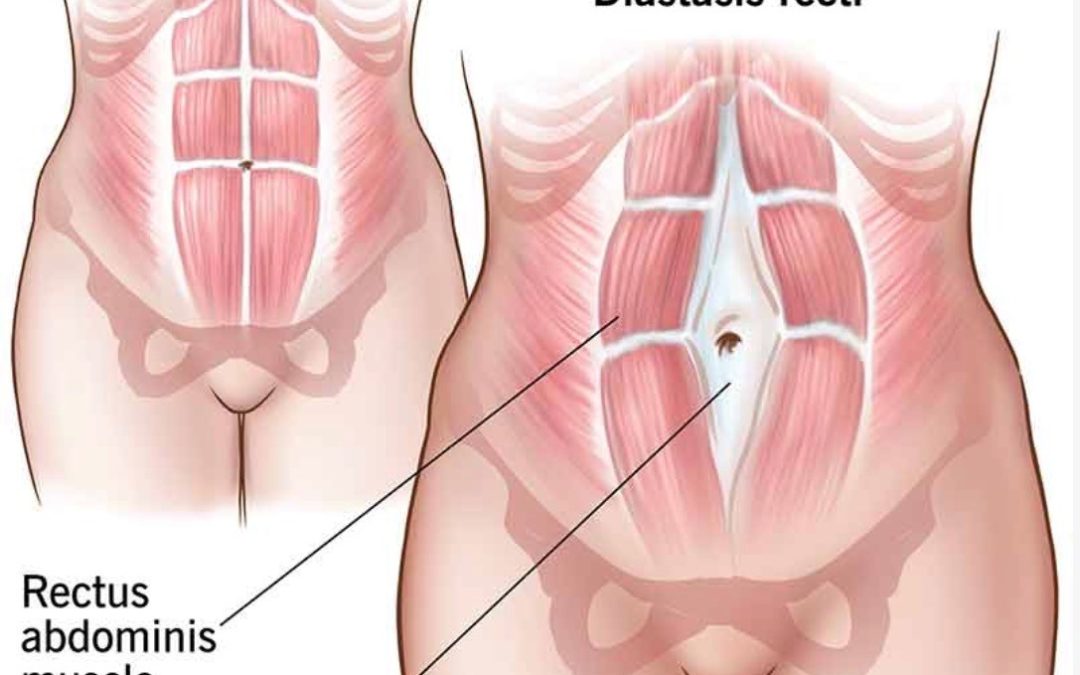
Diastasis Recti – Split Tummy Muscles After Pregnancy
What is diastasis recti?
Diastasis recti is a common condition that occurs when the abdominal muscles separate along the midline of the stomach. This happens when the connective tissue (linea alba) stretches and weakens, typically during pregnancy as the uterus expands to accommodate a growing baby.
Often referred to as “split tummy muscles”, diastasis recti affect many women after pregnancy, but it can also occur in men.
What causes diastasis recti?
The primary cause of diastasis recti is increased pressure within the abdomen, particularly during pregnancy. Key contributing factors include:
- Pregnancy (especially multiple pregnancies)
- Carrying large babies or multiples (twins/triplets)
- Rapid weight gain
- Weak core muscles before pregnancy
- Improper lifting techniques
- Chronic straining (e.g. constipation)
During pregnancy, hormones such as relaxin soften connective tissues, making it easier for the abdominal muscles to separate.
Common symptoms of diastasis recti
Diastasis recti is not just a cosmetic concern. It can affect core strength, posture, and overall function. Typical symptoms include:
- A visible bulge or “pooch” in the abdomen
- A gap between abdominal muscles (especially noticeable when sitting up)
- Lower back pain
- Poor posture
- Weak core strength
- Difficulty lifting or performing daily tasks
- Pelvic floor dysfunction
Many women notice that their stomach still looks “pregnant” months after giving birth, which is often a sign of diastasis recti.
How is diastasis recti diagnosed?
Diagnosis is usually straightforward and can be done through a physical examination. A separation of more than 2–2.5 cm (about two fingers) may indicate diastasis recti.
For accurate assessment, ultrasound imaging may be required.
Can diastasis recti heal naturally?
In mild cases, diastasis recti can improve over time, especially within the first few months postpartum. However, for many women, the separation does not fully close on its own without targeted intervention.
Non-surgical treatment options
- Physiotherapy for diastasis recti
A specialised physiotherapist can guide you through safe core rehabilitation exercises.
- Core strengthening exercises
Gentle, controlled movements help rebuild strength:
- Deep core (transverse abdominis) activation
- Pelvic tilts
- Modified planks
- Breathing techniques
Avoid:
- Crunches
- Sit-ups
- Heavy lifting early on
- Postnatal Support Garments
Abdominal binders can provide temporary support but are not a long-term fix.
- Lifestyle Modifications
- Proper lifting techniques
- Managing intra-abdominal pressure
- Improving posture
When is surgery needed?
For moderate to severe diastasis recti, especially when symptoms persist, surgery may be the most effective option. Surgical options include:
- Abdominoplasty (tummy tuck)
- Repair of abdominal muscle separation
- Removal of excess skin
Surgery not only improves appearance but also restores core stability and function.
Benefits of treating diastasis recti
Addressing diastasis recti can significantly improve quality of life:
- Stronger core muscles
- Reduced back pain
- Improved posture
- Better physical performance
- Flatter, more toned abdomen
- Increased confidence
How long does recovery take?
Surgical recovery:
- Initial recovery: 2–6 weeks
- Full recovery: 3–6 months
Recovery time varies depending on severity and treatment type.
Preventing diastasis recti
While not always preventable, you can reduce your risk by:
- Strengthening core muscles before pregnancy
- Practising proper lifting techniques
- Avoiding excessive abdominal strain
- Following safe prenatal exercise programs
Final thoughts
Diastasis Recti is a common but often misunderstood condition that affects many women after pregnancy. While it may seem like a purely cosmetic issue, it can have significant impacts on strength, posture, and daily function.
The good news is that with the right approach, whether through targeted physiotherapy or surgical treatment, it can be effectively managed and corrected.
If you suspect you have diastasis recti, early assessment and a tailored treatment plan will deliver the best results.
Recent Comments