
The Best Diet After Abdominoplasty: Supporting healing and Recovery
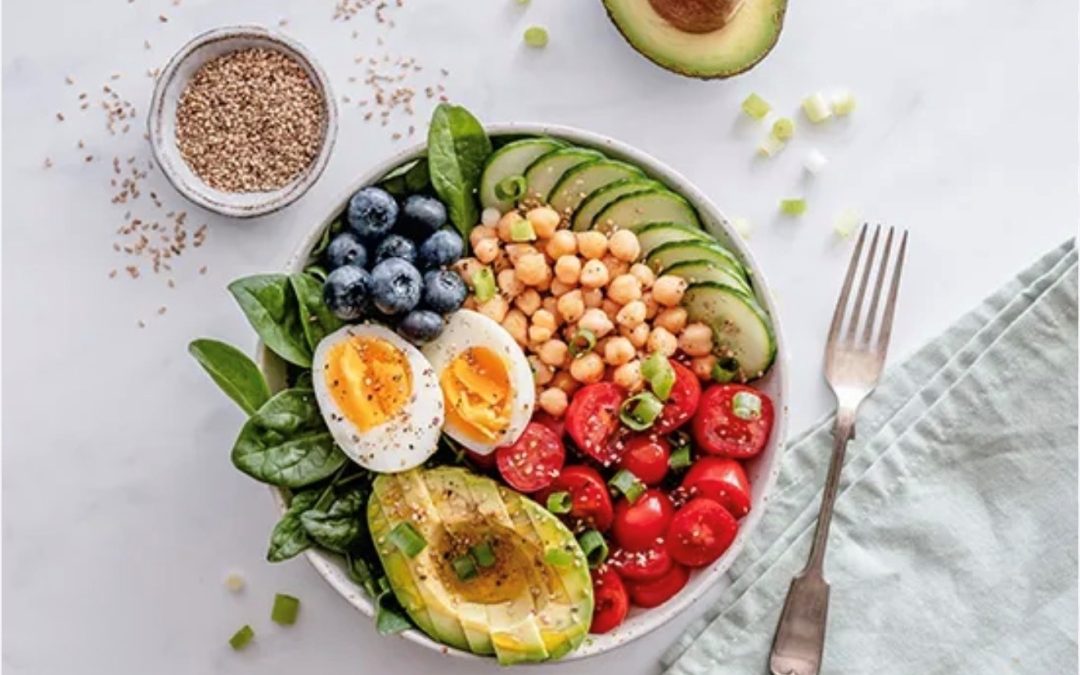
After abdominoplasty (tummy tuck surgery), what you eat can play an important role in how your body heals and recovers. A balanced, nutrient-rich diet helps reduce inflammation, support tissue repair, and maintain stable energy levels during recovery.
While no specific “tummy tuck diet” exists, focusing on the right nutrients can help optimise healing.
Focus on protein for tissue repair
Protein is one of the most important nutrients after surgery. It provides the building blocks needed for the body to repair tissues and support wound healing. Good protein sources include:
- Lean chicken or turkey
- Fish
- Eggs
- Greek yogurt
- Beans and lentils
- Tofu and other plant-based proteins
Most patients benefit from including a source of protein in every meal during recovery.
Eat foods rich in vitamins and minerals
Certain vitamins support healing and immune function after surgery. These helpful nutrients include:
Vitamin C – supports collagen production and wound healing
Foods: citrus fruits, berries, kiwi, capsicum, broccoli
Vitamin A – supports skin repair
Foods: sweet potatoes, carrots, spinach, leafy greens
Zinc – important for immune function and tissue healing
Foods: nuts, seeds, whole grains, legumes
Eating a variety of colourful fruits and vegetables is one of the easiest ways to obtain these nutrients.
Stay well hydrated
Adequate hydration helps support circulation, digestion, and overall recovery.
Water is the best choice, but herbal teas and broths can also help maintain fluid intake. Proper hydration may also reduce the likelihood of constipation, which can sometimes occur after surgery due to pain medications and reduced activity.
Include fibre to support digestion
After surgery, some patients experience slower digestion. Including fibre in your diet can help maintain regular bowel movements.
Good sources include whole grains, oats, fruit, vegetables and legumes.
It’s helpful to increase fibre gradually and drink enough water to avoid discomfort.
Avoid highly processed and salty food
Food that is high in salt or heavily processed may contribute to fluid retention and increased swelling. During recovery, it is helpful to limit highly processed food, salty snacks, sugary drinks and alcohol
Choosing whole foods instead can support overall healing.
Eat smaller and balanced meals
After surgery, some patients find it easier to eat smaller, frequent meals rather than large portions. This can help maintain energy levels and reduce nausea during early recovery. Balanced meals typically include protein, healthy fats, complex carbohydrates, fruits or vegetables.
Supporting long-term results
Abdominoplasty improves the contour of the abdomen, but maintaining the result depends on stable weight and healthy lifestyle habits. A balanced diet combined with regular exercise after recovery can help preserve long-term results.
Final thoughts
Recovery after abdominoplasty involves more than rest alone. Providing the body with the right nutrients helps support healing and allows patients to return to normal activities more comfortably.
If you are preparing for surgery, discussing nutrition with your surgical team can help ensure you have a recovery plan that supports both healing and long-term health.
Recent Comments