
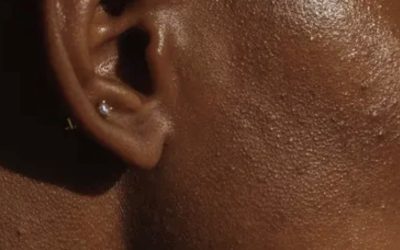
Skin Cancer in Skin of Colour
Skin Cancer in Skin of Colour Skin cancer is less common in people with darker skin tones, but it does occur — and when it is diagnosed later, outcomes are often worse. Melanin provides some natural UV protection, but it does not make anyone immune to skin cancer....

Skin Cancer in Athletes and Outdoor Workers
Skin Cancer in Athletes and Outdoor Workers If you train, compete, coach, or work outside for hours at a time, UV exposure isn’t an occasional risk—it’s a repeated, cumulative load on your skin. The good news: effective prevention is worth starting at any age. Why...
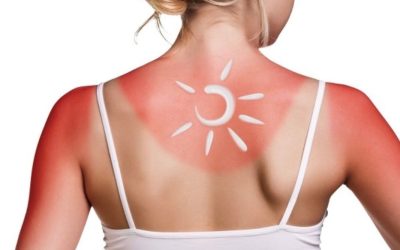
Sun Myths, Busted: Base Tans, Window UV, and Why It’s Never Too Late to Protect Your Skin
Sun Myths, Busted: Base Tans, Window UV, and Why It's Never Too Late to Protect Your Skin New Zealand’s UV levels are very intense. Peak summer UV Index (UVI) is commonly around 12 and can exceed 13 in the far north. Extreme UVI (11+) is associated with high risk of...
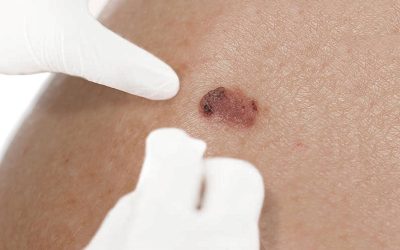
Understanding complex skin cancers
Understanding complex skin cancers What makes a skin cancer "Complex"? High-risk location Certain areas of the body are considered high risk because they contain: Critical structures (important vessels, nerves, cartilage) Limited extra skin for closure High cosmetic...
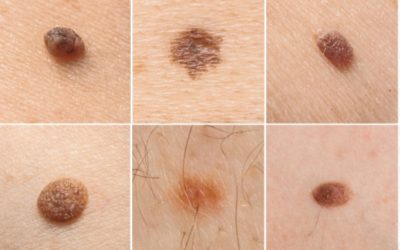
How to Spot Unusual Moles?
How to Spot Unusual Moles? At first glance, it can be tricky to see how an atypical or unusual mole differs from a normal mole. Below are some warning signs to watch for. We often use the ABCDE rule to identify features that may suggest a mole needs medical attention....
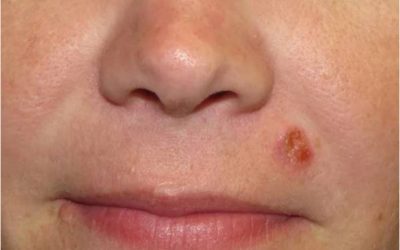
Understanding Squamous cell Carcinoma
Understanding Squamous Carcinoma What is squamous cell carcinoma? Cutaneous squamous cell carcinoma (SCC) which is often called squamous cell carcinoma (SCC) is the second most common type of non-melanoma skin cancer. It is derived from cells within the epidermis that...